


Over my years as a business strategist, I’ve learned that growth marketing is non-negotiable if you want to scale efficiently and turn data into predictable results.
The difference between companies that stall and those that scale lies in knowing where to focus and how to double down on what’s working. (You’d be surprised at how many businesses don’t check the data. Or are swimming in data, and don’t know what to do with it.)
Data is your friend. But implementing that data is what will help your revenue soar.
Keep reading to learn more about what growth marketing is, how it works, and how to implement it.
Growth marketing means using data and experiments to figure out what drives results, then doing more of that at scale. Instead of guessing, you test, measure, and adjust your strategies accordingly.
The goal is to:
Growth marketers and growth hacking agencies use analytic tools and careful experimentation to track their sales approaches and measure progress.
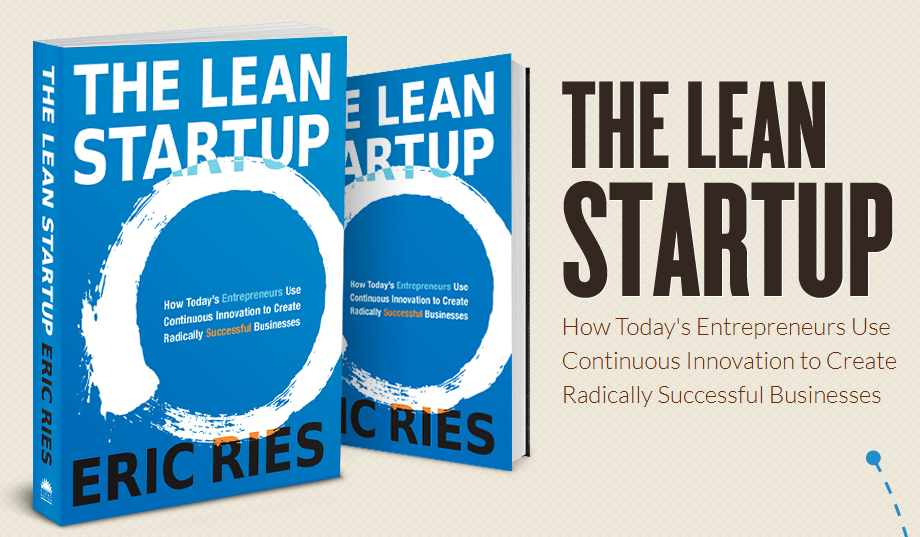
Famously, in his book “The Lean Startup”, Eric Ries advocates the “Build-Measure-Learn” rule, which works like this:
That’s the basis of growth marketing.
When implementing growth hacks, focus on six key areas for your growth marketing.
These include:
When auditing or planning your growth marketing strategy, always refer back to these top six areas.
Let’s take a look at how to do this below.
Get ready to save this blog post. Or better yet, print it out, stick it on your desk, and follow the steps!
Put your business in front of more qualified buyers.
In 2026, you need what I call “The Business Development Triangle.”
This includes:
Ads are still one of the best ways to raise awareness and drive more customers quickly. Google and social media platforms are incentivized to put your ads in front of the right eyes because the more successful your ads are, the more successful they are.

You’ll need to A/B test content types (such as Reels, static images, product mockups, and other creatives) to see which attracts the best audiences.

Some platforms also have ad credits if it’s your first time running an ad with them. Take advantage of these to increase your return on ad spend (ROAS).
As for the kinds of ads you run, mix it up and document what works.
For example:
Long-term partnerships are also pivotal to your success. The more aligned partners you have, the more qualified leads you can get into your business.
The type of partners you focus on depends on your business type and growth goals. If you’re running a DTC brand, the right micro-influencers and nano-influencers are invaluable to you. They can help generate more awareness, increase sales, and gather user-generated content.
If you run a SaaS agency, enterprise partners could be immensely supportive. Encourage them to sign annual contracts and offer a generous discount for referring other enterprises to you.
Outreach partners are also valuable if you run a SaaS business. They can help you attract high-quality leads and even convert them if you have a sales agreement in place.
Finally, organic marketing is your evergreen currency. It’s always working in the background to attract users to your site and offers, long after you’ve invested in SEO and content assets.
For this, you need a solid SEO content agency that’s been around and KNOWS what works. They’ll develop an SEO strategy and produce content assets at scale to align with your sales funnel.
These include:
(And other assets you might need.)
Make sure to partner with an agency that’s AI SEO informed as well. They’ll help you ensure your assets, schema, and other marketing details are set up so LLMs can retrieve and cite them. This means your business will also appear in AI search results.
➜ Growth marketing must: Remember to use data analytics to uncover which ads, partnerships, and organic marketing strategies are attracting the most qualified leads. And duplicate those campaigns.
Set up automations that bring you customers in your sleep. This is the most brilliant thing about living in our day and age.
You can set up automations on social media, your website, in your emails, and via SMS. If you have an app, you can also set up in-app automations.
Business coach Maria Wendt, for instance, makes $20k+ every single day with automations built with Manychat.
Maria has set up loads of Manychat automations, and claims that’s the main reason it’s working.
(She mentions in the video above that business owners highly underestimate how many automations they need to make legitimate revenue.)
You can use Manychat to set up messaging automations on Instagram, WhatsApp, TikTok, Messenger, and via SMS.
The most common funnel you’ll see is when a creator asks you to comment on a specific word on a post. After the automation, auto-DMs you a resource or product.
Here’s a recent one Maria used, where she invites her audience to comment on the word “BATCH” to get her guide on how to make 40 reels in two hours:

You can also use an AI-powered chatbot like Manychat to automatically respond to messages or specific questions.
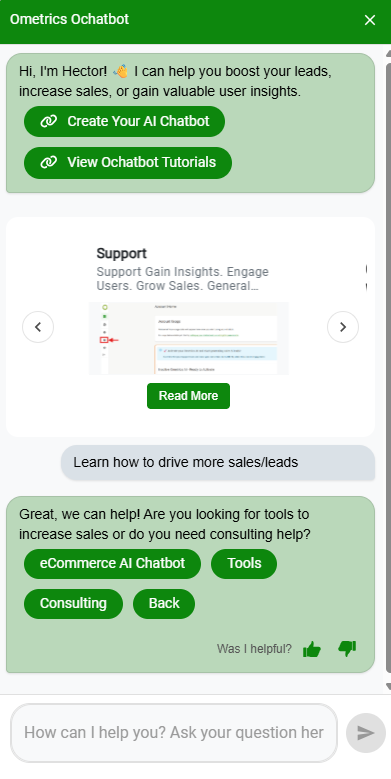
If someone wants to know how much your enterprise pricing plan costs, your automation can immediately respond with the correct answer. (If you set that up, obviously.)
Here are some of the automations you can set up with Manychat:

(Screenshot inside of Manychat subscription by Ioana)
(Chatfuel is another similar AI chatbot option.)
To use AI chatbots for email or on your website, check out tools like Tidio and HubSpot Chatbot Builder, part of HubSpot’s CRM.
➜ Growth marketing must: Remember to use data analytics to find out which AI chatbot automations are bringing in the most customers.
Make sure your existing customers are using the products and services they bought from you. Otherwise, they could churn at any time!
Sales psychology is your friend here.
Get into FOMO (the fear of missing out) with limited-time rewards to give people a reason to use your product right now. Offer time-sensitive gifts with purchase, special badges, or recognition for completing certain actions by a certain time.
(This also gamifies their experience, which makes it more enticing.)
For example, you could create a challenge where users unlock a bonus feature or exclusive content after trying a new function before Friday. And since FOMO motivates action, you’ll gain valuable insights into how customers interact with your product.
You can also incentivize existing customers. Encourage them to explore more features or use your service in new ways.
For instance, you could offer discounts, free products, or services when they complete certain actions. (Like finishing a tutorial, sharing their results on social media, or testing a new product feature.)
Finally, send over relevant tutorials to remind customers why your product or service matters.

(Screenshot by Ioana)
For example, if you run a meal-planning app, you could send a short video showing how to create a week’s worth of recipes in under 10 minutes using your app’s features. Make these tutorials visual and show users what they’ll gain — such as saving time or eating healthier.
➜ Growth marketing must: Remember to use data analytics to see which strategies are helping you activate more products and services. And duplicate those campaigns.
Encourage your customers to buy more, spend more, and choose higher-value options. Also, find more ways to attract customers.
One of the best ways to get more revenue is to upsell your existing customers.
Highlight complementary products when they return to your website or add items to their shopping carts.
You can also email them relevant bundles and complimentary products. For example, if they recently purchased a custom-made suit, you might email them an option to add custom shoes, a tie, and cufflinks.
It’s also important to review your top revenue channels and ask what’s working.
For example, if ads are bringing in the most revenue, duplicate your most profitable ad campaigns. If an evergreen webinar consistently brings in customers, consider filming more webinars or distributing it across more channels.
Outreach is also your friend here.
Dedicate several hours a day to outreach to onboard more customers. If you’re pressed for time, hire outreach partners, sales reps, or virtual assistants to help. (Have them send LinkedIn DMs and cold emails — and make cold phone calls.)
You can also have them reach out to current customers. Ask them to ask current customers if they’d like to upgrade to higher-paid plans. (Using benefits-first language so the upsell is relevant.) Or to pitch them new, higher-priced products that are (again) relevant to their needs.
➜ Growth marketing must: Remember to use data analytics to learn which strategies are helping you widen your profit margins the most. And duplicate those campaigns.
Set up customer loyalty campaigns to encourage your customers to stay with you for the long haul.
If you sell products or tickets, offer points, discounts, or early-access perks for repeat purchases.

(*Pro-Tip: Send out random gifts just because. They’ll LOVE you for it. Birthdays and customer anniversaries are prime times to send a small gift. Could even be something simple, like a mini winter perfume if they have a December birthday, for instance.)
If you sell services, check in regularly with helpful tips or bonus sessions. You can also offer milestone rewards for completing packages or for long-term subscriptions to keep them engaged and invested.
Be sure to stay up to date on customer experience issues and conversations using analytics software. Try behavioral intelligence software and social listening tools. (Read our social media management tools blog for more information.)
Make sure to implement customer feedback if it makes sense for your business model. And ALWAYS respond to negative comments and reviews with care and a solution.
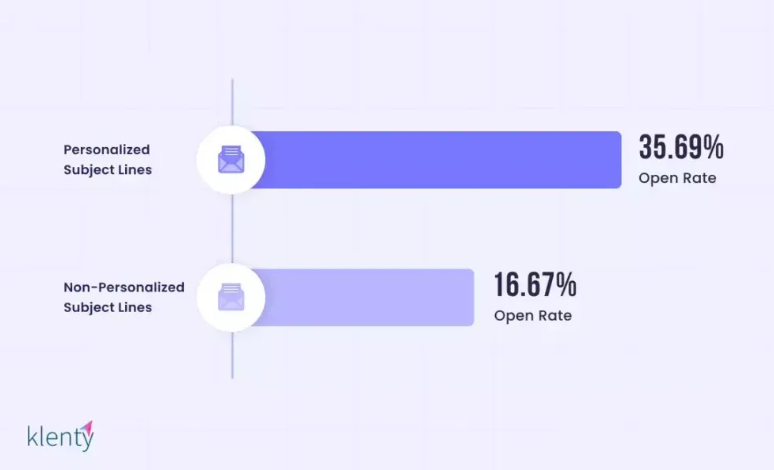
You can also encourage customer loyalty just by being active on social media and sending out personalized emails. This can include anything from personalizing email subject lines to letting customers tailor how they receive your product. You’ll stay top-of-mind, and they’ll feel like you’re really thinking about them.
Klenty found that emails with personalized subject lines have an open rate of nearly 37%. Compare this to emails with generic subjects (nearly 17%).
➜ Growth marketing must: Remember to use data analytics to uncover which strategies are helping you increase customer loyalty. And duplicate those campaigns.
Ask your customers to recommend you to their friends. Set up referral campaigns that incentivize them to do so.
If you run a subscription service, for example, you could offer a monthly discount or a free subscription for a limited time if they refer other paid users.
If you sell products, consider offering free shipping or a generous discount on customers’ favorite products with each referral. Or offer them a specific reward or a free product for referring a certain number of customers.
Wise, for example, lets customers earn rewards by sharing a unique invite link. When friends sign up and use Wise, they get bonuses for every few who qualify.

You can also reward users for leaving reviews or sharing posts on social media.
And again, influencers can be super helpful. (This is where affiliate marketing comes in.) Give them an affiliate commission for every customer they refer to your business. If you run a B2B business, you can have affiliates write sponsored blog posts or record videos that mention your brand. The best part is you’ll only pay commissions if they bring in sales!
Remember, according to Sprout Social’s 2026 Influencer Marketing Report, 86% of consumers make a purchase after watching or reading an influencer review.
➜ Growth marketing must: Remember to use data analytics to learn which strategies are helping you get the most recommendations. And duplicate those campaigns.
Growth marketing may sound kitchy, but it’s based on proven, practical methods.
Why wouldn’t you want to look at data, learn what works, and do more of that?
If you’re looking to scale your business in 2026, you need the strategies we’ve listed in this guide. Start with a few of them, see what’s working, and duplicate your best campaigns. Do this continuously to build a business that consistently generates higher revenue.
PS: You’ll need a tool to help you stage and publish your blog posts for Step 1. Wordable is your best bet. You can copy articles from Google Docs straight into WordPress, and they’ll be perfectly formatted and ready to publish, saving you hours each week.
To your immense success!
1. Do I need a huge budget to start growth marketing?
Nope. Growth marketing is more about smart experiments. Start small. Test campaigns, measure results, and double down on what’s working. Even with a modest budget, you can generate big wins if you’re strategic.
2. How do I know which growth tactics will work for my business?
You don’t guess — you test. Track your top revenue channels, run small experiments, and measure everything. Then do more of what brings in the most qualified leads and generates the most revenue.
3. How often should I revisit my growth marketing strategy?
Constantly. Your customers, channels, and trends evolve. Check analytics weekly and review results monthly. Tweak campaigns whenever you see opportunities to improve.
4. Can I do growth marketing alone, or do I need a team?
You can start solo, especially for small experiments. But a team accelerates growth. Use tools to automate processes, hire virtual assistants for outreach, or bring in partners for campaigns that need scale.
Even small businesses benefit from a few extra hands.
5. Do growth marketing tactics work for both products and services?
Absolutely. The approach is the same — you just adapt the tactics.
For products, you might run upsell campaigns, bundles, or limited-time offers. For services, focus on usage incentives, tutorials, and bonus perks to keep clients engaged and paying for more.